

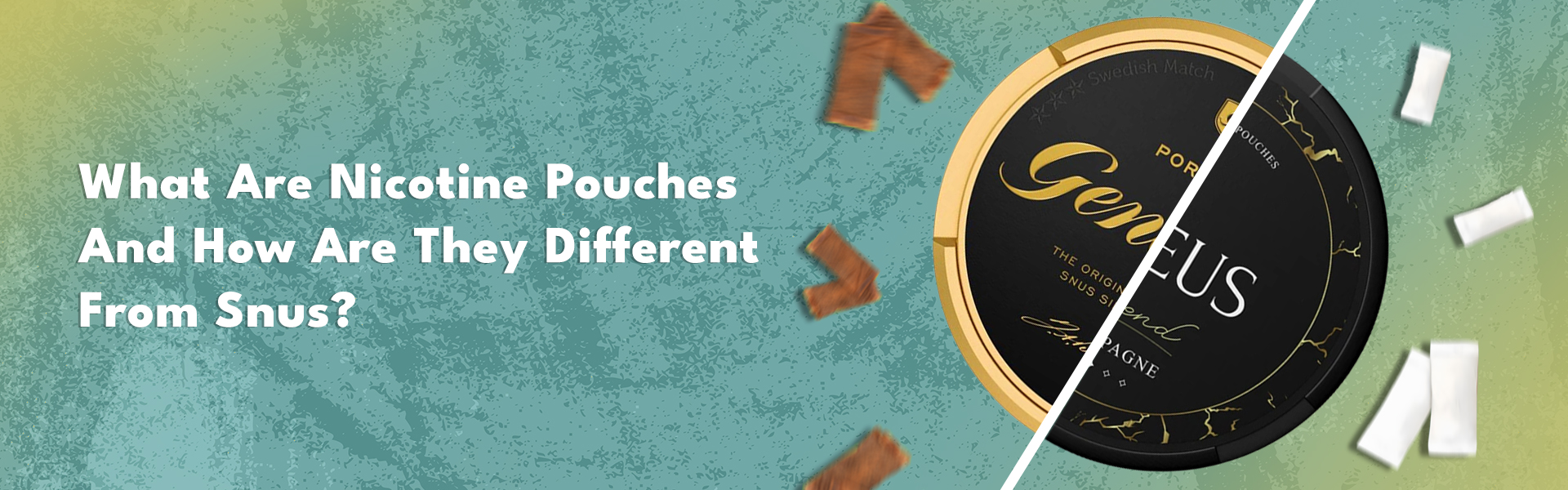
Smokeless nicotine products have changed a lot over the past couple of decades. What used to be a fairly small category, mostly tied to Sweden and a few northern European countries, has now grown into a global market with modern alternatives, bright packaging, and all kinds of falvour options. The two products people compare most often are Swedish snus and nicotine pouches. At a distance, they seem similar: both fit under the upper lip, both are discreet, and both provide nicotine without producing smoke. But once you look closer, the differences become more noticeable; not only in what they are made of, but in how they’re used, how they taste, and how they’re regulated.
For anyone trying to understand the current demand of smokeless nicotine products, it helps to look at each one individually before comparing them side by side.
What Is Snus?
Snus is one of the oldest modern smokeless products still used today. It comes from Sweden, where it has been part of everyday life for more than a century. Traditional snus is made from moist, pasteurized tobacco that is ground, seasoned, and placed inside a small pouch. People tuck the pouch under their upper lip, allowing the nicotine and falvour from the tobacco to release slowly.
Historically, snus developed as an alternative to smoking in cold Scandinavian climates. People wanted nicotine without stepping outside to light a cigarette in the middle of freezing winds. Over time, snus became a culturally rooted product with loyal users who appreciate its earthy, natural taste and its slow, steady release. For many longtime users, the ritual of slipping in a pouch feels almost as familiar as a morning cup of coffee.
Modern Swedish snus still stays close to that heritage. It keeps the tobacco at the center of the experience, whether the pouch is “original,” which is moist, or “white,” which is less moist for a slower release. Either way, the falvour and feel come directly from the tobacco itself.
What Is A Nicotine Pouch?
A nicotine pouch is a newer product built for people who want nicotine without the tobacco leaf. These pouches use tobacco-free nicotine, plant fibers, sweeteners, and falvour blends to create a cleaner-feeling, more neutral product. Even though they sit under the lip like snus, everything inside the pouch is different.
Nicotine pouches arrived as more people started looking for modern smokeless alternatives that didn’t involve tobacco or smoke. Because they contain no tobacco leaf, they don’t have the heavy taste or smell that often comes with traditional products. Manufacturers can shape the experience more freely, offering dozens of nicotine pouch falvours, from mint and wintergreen to berry, citrus, and even dessert-inspired varieties.
Another big difference is consistency. Nicotine pouches tend to be lighter, drier, and more discreet. They also come with very clear labels about strength, making nicotine strength comparison easier for people who want to understand exactly what they’re using.
How Are Nicotine Pouches Different From Swedish Snus?
Although both products use the same placement under the lip, the user experience, ingredients, falvour options, and regulatory rules often set them far apart. Breaking down these differences makes the contrast much clearer.
Snus vs Nicotine Pouches: Origin
Snus has a long, cultural history tied directly to Sweden and neighboring countries. It developed slowly and carries traditional falvours shaped by tobacco curing and pasteurization. Nicotine pouches, on the other hand, are a direct response to modern demand. They were created as a clean, tobacco-free nicotine option for people who wanted a simpler alternative with more flexibility. Snus belongs to the past as much as the present; nicotine pouches belong to the future.
Snus vs Nicotine Pouches: Usage
The placement for both is the same: upper lip, tucked between the gum and the lip. But what’s happening inside the pouch makes the experience feel different.
Snus is heavier because it contains moist tobacco. The falvour is naturally stronger, and the pouch may feel fuller. Following the snus usage guide, users typically keep it in for longer and then dispose of it carefully because it contains actual tobacco material.
Nicotine pouches use dry or semi-dry plant fibers instead of tobacco. They feel lighter, cleaner, and less messy. They are easy to dispose of, don’t stain, and usually release nicotine more quickly because of the design of the pouch material. That gives people more control over how long they keep the product in, especially when considering nicotine release duration.
Snus and Nicotine Pouches: Legality
Legality is a major difference. Snus is restricted or banned in several regions because of its tobacco content. While Sweden uses snus widely and legally, other countries categorize it as a tobacco product and regulate it strictly.
Nicotine pouches follow a different path. Since they use tobacco-free nicotine, they don’t fall under the same set of rules in many regions. As a result, nicotine pouch legality tends to be more flexible, though it still varies by country. Some countries allow them widely; others treat them as nicotine products rather than tobacco.
Snus and Nicotine Pouches: falvours
Snus sticks close to its roots. Most falvours center around tobacco, bergamot, mint, or subtle Scandinavian spices. These falvours appeal to people who enjoy the natural profile of tobacco.
Nicotine pouches take the opposite approach. Their nicotine pouch falvours lineup is huge because they’re not limited by tobacco leaf. Manufacturers can create almost any falvour profile, ranging from classic mint to fruit, herbal blends, cooling sensations, and even more experimental options. This freedom is one of the biggest reasons nicotine pouches have grown so quickly.
Snus and Nicotine Pouches: strength
Strength is measured differently for each product. Snus strength depends on the tobacco blend and moisture level, and while the nicotine levels can be strong, the release tends to be slower.
Nicotine pouches use clearly measured amounts of extracted nicotine. This makes nicotine strength comparison much more straightforward. Labels often use milligrams, dots, or a numbering system, making it easier for people to find the strength that suits their comfort level.
Comparison Table: Snus vs Nicotine Pouches
| Feature | Swedish Snus | Nicotine Pouches |
| Legal in the UAE | Generally restricted due to tobacco content | More flexible because they are tobacco-free |
| Tobacco Content | Contains moist tobacco | No tobacco leaf; tobacco-free nicotine |
| Nicotine Content | Varies based on tobacco blend | Clearly labeled; easy nicotine strength comparison |
| falvours | Mostly traditional, tobacco-centered | Wide range of nicotine pouch falvours |
| Format (pouch format and types) | Moist pouches; larger feel | Slim, mini, dry, or semi-dry formats |
| Usage (snus usage guide) | Upper lip; dispose of tobacco properly | Upper lip: cleaner and simpler disposal |
| Strength | Based on a tobacco mixture | Standardized, labeled strengths |
| Duration of Release (nicotine release duration) | Slow and steady | Often quicker, varies by moisture |
| Shelf Life | Shorter because of tobacco | Longer due to tobacco-free ingredients |
Summary
Nicotine pouches and snus may look alike, but their ingredients, falvours, usage experience, and legal standing set them apart. Snus represents a long-standing Swedish tradition rooted in real tobacco, while nicotine pouches reflect the rise of tobacco-free nicotine products designed for modern preferences. With more falvours, clearer strength labels, and broader legal acceptance, nicotine pouches continue to grow as a flexible alternative for people exploring new smokeless options.